
diligence
Choosing a Research Peptide Vendor: A Diligence Checklist
the research peptide market has expanded substantially over the past decade.
The research peptide market has expanded substantially over the past decade. With that expansion has come both opportunity, significantly broader access to compounds for legitimate research, and risk: a wide range of suppliers with widely varying standards for quality, documentation, and operational discipline. For researchers, lab buyers, and academic institutions evaluating a peptide supplier, the gap between the best and worst operators is large enough that vendor selection materially affects research outcomes.
This article walks through a structured diligence framework for evaluating any research peptide supplier. It is the same framework we believe researchers should apply to us, and the same standard we hold ourselves to internally.
1. Manufacturing Transparency
The first and most important question is: where is the compound actually made?
A credible supplier will disclose:
- Country of manufacture. Domestic (United States) versus international sourcing has implications for quality control standards, regulatory oversight, and shipping reliability.
- Facility qualifications. Current Good Manufacturing Practice (cGMP) certification is the most widely recognized quality framework for pharmaceutical-grade production. Facilities that produce research-grade material in cGMP-certified plants typically maintain higher batch-to-batch consistency than facilities operating without that framework.
- FDA registration status. While research-grade chemicals are not FDA-approved products, the FDA does maintain a registry of registered drug establishments. Some research peptide manufacturers operate in FDA-registered facilities, which provides an additional layer of oversight and inspection history.
What you should be cautious of: vendors who decline to identify their manufacturing source at all, or who make vague claims like "manufactured to the highest standards" without specifying which standards or where.
2. Third-Party Testing Practices
The single most important quality differentiator in research peptide supply is independent third-party laboratory testing. A reputable vendor will:
- Use independent testing labs that are not affiliated with the manufacturer or vendor
- Test every batch, not selected batches
- Publish Certificates of Analysis (COAs) for every product and every batch
- Test multiple analytical parameters, including:
- Identity (confirmation that the compound is what the label says)
- Purity (typically measured by HPLC, with results reported as a percentage)
- Net content (verification that the labeled mass matches the actual mass)
- Endotoxin levels (microbiological contamination indicator)
- Sterility (for products that require sterile preparation)
- Heavy metals (contamination from manufacturing or storage)
- Variance (consistency from batch to batch)
The strongest operators publish their COAs in a searchable, batch-traceable format so any researcher can verify a specific lot before, during, or after a study. Look for vendors that link COAs from their product pages directly and update the database for each new batch.
What you should be cautious of: vendors who claim "third-party tested" but offer no COA documentation, only "sample" COAs from old batches, or COAs from labs whose identity cannot be verified.
3. Operational Compliance Posture
A vendor's broader compliance practices give a strong signal of how seriously they take their long-term legitimacy. Several specific markers are worth examining:
- Strict Research Use Only (RUO) framing across all surfaces. A credible research-grade supplier maintains consistent RUO disclaimers on product pages, packaging, customer communications, and marketing, and avoids any language that would imply therapeutic, clinical, or human-consumption use.
- Age-gated catalog access. Operators serious about reaching qualified buyers (rather than general consumers) typically require age verification (21+ is common) and account creation before showing any product catalog. The friction is the feature.
- Published shipping restrictions. States with peptide-specific regulatory scrutiny vary, and the list shifts over time. Credible operators publish a clear list of where they do and do not ship, rather than handling restrictions silently at order time.
- Third-party certification. LegitScript is the most widely recognized independent verification service in the regulated digital commerce space. Vendors who have pursued or obtained LegitScript certification have submitted to an external review of their compliance posture.
- Right of refusal language. Reputable suppliers reserve and exercise the right to refuse orders that appear inconsistent with research use. A vendor that ships any order without question, regardless of red flags, is operating without an effective compliance filter.
What you should be cautious of: vendors who make therapeutic or human-use claims anywhere in their marketing, who have no apparent age or research-capacity gating, or who appear to have no defined operational compliance framework.
4. Stability, Storage, and Handling Documentation
Research peptides are sensitive compounds. Even the highest-purity lyophilized peptide can degrade rapidly under improper storage or reconstitution conditions, with effects on experimental reproducibility.
A credible vendor will provide:
- Clear storage temperature specifications for lyophilized and reconstituted product
- Recommendations for solvent selection for reconstitution
- Best-practices guidance for handling
- A documented chain-of-custody for shipping, particularly for temperature-sensitive shipments
A particularly strong signal is whether the vendor's documentation distinguishes between stability of the lyophilized product (typically robust) and stability of the reconstituted product (typically much shorter, and dependent on solvent and storage conditions).
What you should be cautious of: vendors who provide no handling guidance at all, or whose specifications appear copied from another source without adaptation to their specific product.
5. Documentation and Communication Standards
The way a vendor handles documentation and communication is a leading indicator of their overall quality control.
- Are product pages descriptive but disciplined? Strong vendors describe what a compound is (a synthetic peptide of a specific molecular weight, in a specific format) without making claims about what it does. Vendors who treat product pages as marketing copy for therapeutic claims have failed at the most basic level of research-supply discipline.
- Are customer service responses professional and bounded? When a customer asks how a compound is used, the credible vendor declines to advise and refers the customer to peer-reviewed literature or institutional resources. Vendors whose customer service offers usage guidance or "what most customers do" answers are creating compliance exposure for themselves and risk for their customers.
- Are post-purchase documents (COAs, packing slips, packaging) consistent and complete? Reputable vendors provide every order with full documentation including COA, storage instructions, and proper labeling.
What you should be cautious of: vendors whose product pages or marketing materials describe specific outcomes or use cases, or whose customer service representatives offer usage recommendations.
6. Vendor Stability and Track Record
A vendor that has been in continuous operation for multiple years has, at minimum, navigated supply chain disruptions, regulatory developments, and operational growing pains successfully. This is not a perfect proxy for quality, but it is meaningful.
Look for:
- A consistent business identity (no frequent re-branding or domain hopping)
- Verifiable business registration in a stable U.S. jurisdiction
- A real corporate address and contact path
- Continuous COA history going back over a period of years
Newer operators are not automatically lower-quality. But for newer vendors, the diligence framework above should be applied with greater scrutiny, they have less track record to rely on.
7. Putting It Together: A Practical Checklist
A research peptide vendor that scores well across all of the following is a strong candidate:
- Discloses manufacturing source and facility qualifications
- Provides COAs for every batch, indexed and searchable by lot
- Tests for identity, purity, net content, endotoxins, sterility, heavy metals, and variance
- Maintains consistent RUO framing across all customer touchpoints
- Has clear, published shipping restrictions
- Provides clear storage, reconstitution, and handling documentation
- Practices disciplined customer service (no usage advice, refers to literature)
- Has a verifiable business identity and continuous operating history
- Has pursued or obtained third-party compliance certifications (LegitScript or similar)
- Treats compliance as a continuous practice, not a one-time legal document
A vendor that fails several of these criteria is a vendor that may be cutting corners in ways that affect the research you intend to conduct.
Closing Note
The research peptide market has evolved into an increasingly professional, increasingly regulated space. Researchers who apply structured diligence to vendor selection consistently get better, more reproducible material, and contribute, by their selection pressure, to lifting the standard of the industry as a whole. We've published our internal quality framework in the COA Library and the About page; researchers who want to evaluate us against this checklist should be able to do so in 15 minutes or less. If anything is missing or unclear, we welcome the question.
references
[Note: This article presents general industry framing rather than novel scientific claims. Where specific testing parameters or compliance frameworks are referenced, they reflect standard practices in regulated commerce. For broader regulatory context, readers may consult:]
- U.S. Food and Drug Administration, Compliance Policy Guide Sec. 469.300, Research Use Only Labeled Devices. https://www.fda.gov/regulatory-information/search-fda-guidance-documents/
- LegitScript, Certification Standards for Healthcare Merchants. https://www.legitscript.com/certification/
- U.S. Pharmacopeia, General Chapter <1058> Analytical Instrument Qualification. https://www.usp.org/
continue reading

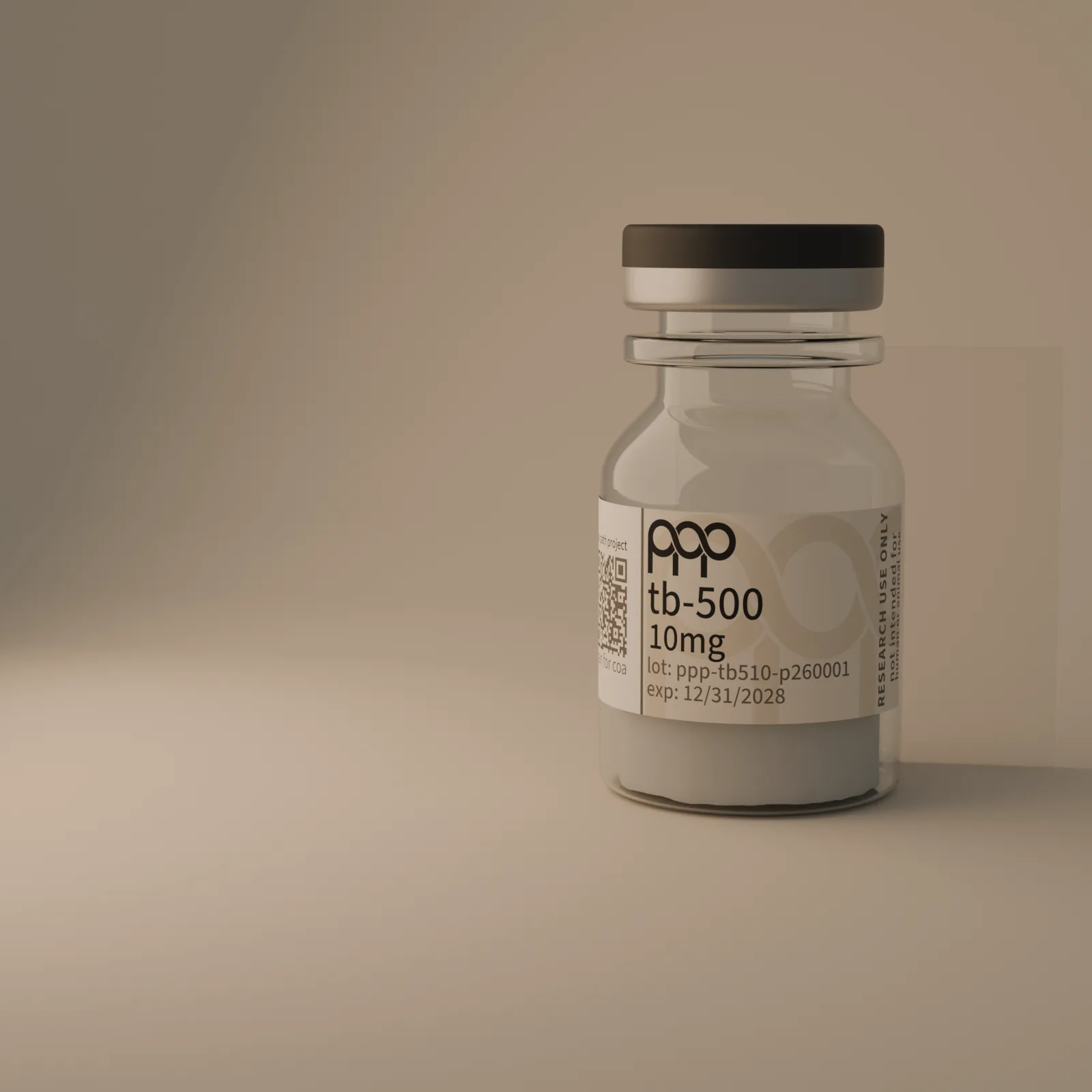
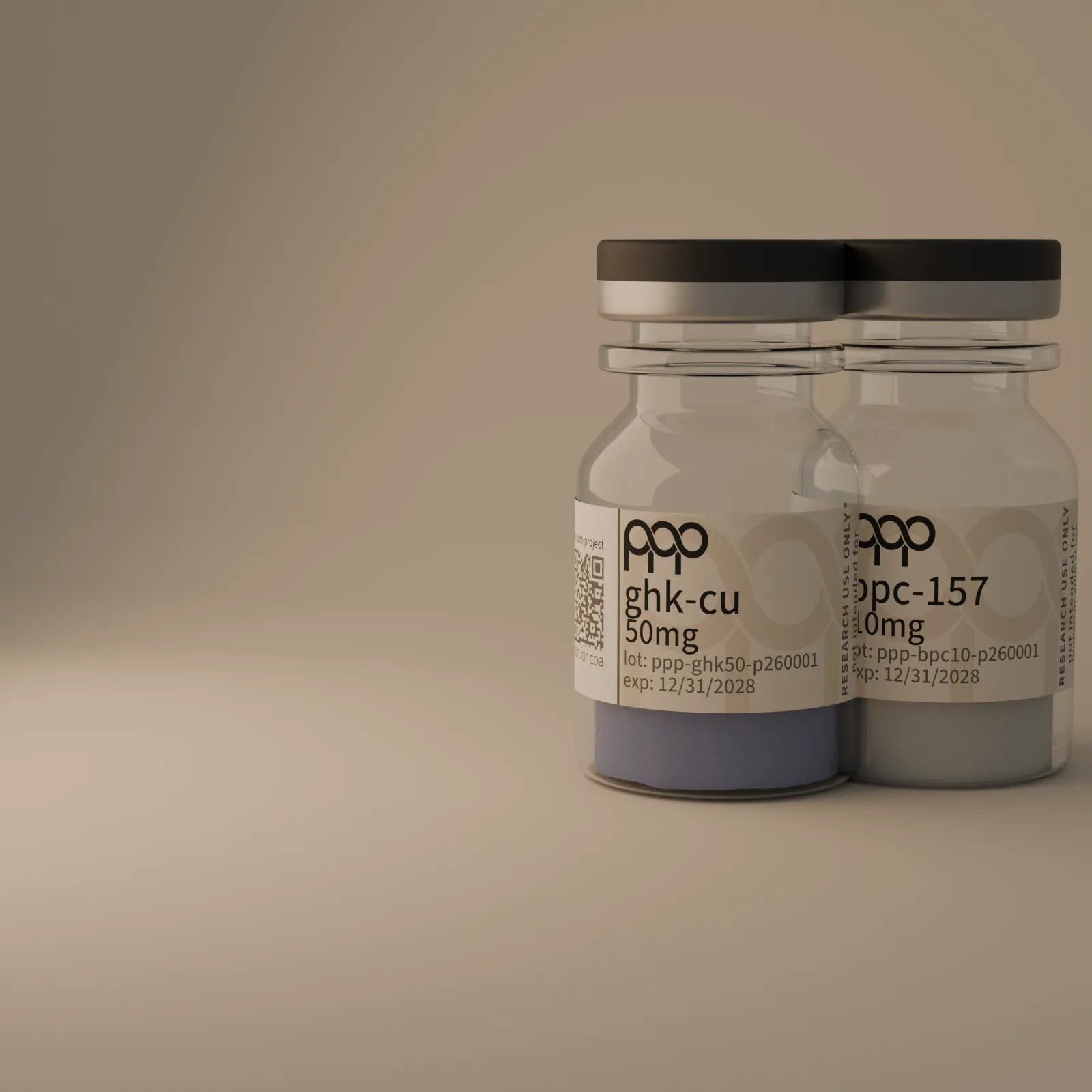
research use only. sold for in-vitro laboratory research.
not for human or animal use.